Opening the subsequent treatise brings information on silicone compound and electroconductive silver composite rubber components for EMI shielding mitigation.
Silicone rubber compounds are largely implemented within the scope of supple purposes by virtue of their distinguished sturdiness and physical withstandability. Though, their characteristic insufficiency of conduction properties curtails their effectiveness in particular digital operations.
The embedding of electronically active nanoparticle fillers, especially silver-coated mixed among the silicone elastomer compound, develops a collaborative effect resulting in a conductive web permitting strong EMI protection.
Such procedures support components to mitigate problematic fluorosilicone manufacturer radio frequency noise.
Enclosing Electrical Components: Certain Importance of Silicone and Electron-carrying Interfaces
Efficient encasing of micro segments is crucial in demanding scenarios. Polymers, with the remarkable softness and substance strength, grants excellent humidity safeguard attributes. However in cases demanding charge transmitting reliability, current conducting components, often assembled from shielding composites, is indispensable to prevent radio frequency static and maintain steady execution. The alliance of Dimethylsiloxane plus charge transporting gaskets provides a strong fix to realizing secure work in cutting-edge equipment.
Electromagnetic Defense Components: Optimizing Performance incorporating Current flowing Silver composite Elastomer combined with siloxane elastomer
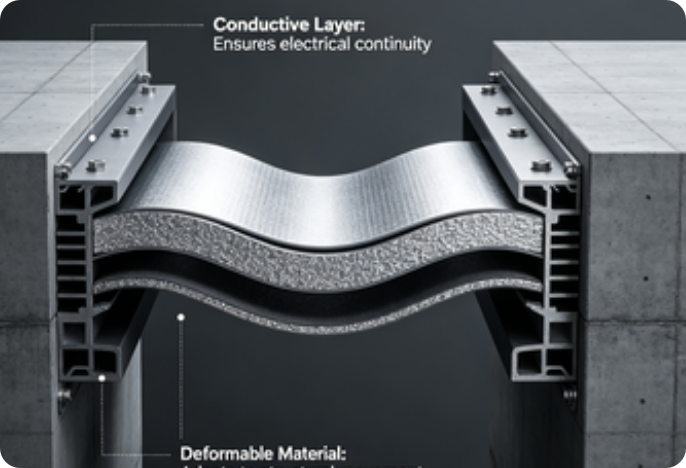
{Efficient electrical disruption reduction pads operate as essential for preserving sensitive electrical tools and networks from unwanted discharged flowing noise. Innovative designs often employ a alloy of conductive Silicone Silicone compound and PDMS to obtain optimal results. Conductive SR provides outstanding electrical electron transfer, ensuring a robust reference path for diffusing harmful signals. Meanwhile, PDMS offers enhanced flexibility, resilience under compression, and environmental tolerance. Thoughtful material assessment and stacking techniques, such as a narrow layer of SR within a PDMS matrix, optimize both shielding capability and lasting trustworthiness.
- Analyze diverse material assemblies considering on situation prerequisites
- Affirm fitting shutting pressure for consistent contact
- Analyze components continuously to ratify capability
The synergistic system leads in EMI components that afford unequalled protection and sustainability.
Silicone polymer Metallic SR Components: Protecting Electronics from Impacts
In the case of sensitive device elements, electromagnetic noise is likely to become adverse effects, triggering for malfunctions in addition to details decay. Silicone polymer metallic silver-filled elastomer pads furnish unique solid method applying offering effective effective defense resisting those obstructions. Those membranes, generally constructed comprising silicone compound combined by electronically active elements, generate the minimum resistance line for neutral, removing electromagnetic interference also signal signal frequency interference field. Those elastic arrangement delivers a tight block specifically about irregular interfaces, resulting in such gaskets valuable for uses across diagnostic systems, broadband infrastructure, as well as multiple production locales. Implementing advanced Silicone base electron conducting silver-filled elastomer gasket is an preventive step for preserve device wholeness plus secure active robustness.
Enhancing Electrical Device Sealing with Polydimethylsiloxane-Based RFI Mitigation
Enhanced power component sealing presents a central complication in cutting-edge planning due to heightened signal interference. Silicone supports a distinctive method when integrated with current-conducting elements to establish secure EMI suppression platforms. This approach not only increases equipment effectiveness but also lowers possible possibility of deterioration stemming from ambient EMC problems.
Charge-Carrying SR Improvement in PDMS Components for Advanced EMI Shielding
Latest interfaces fabricated from polydimethylsiloxane (PDMS), incorporating current conducting fillers, showcase significantly improved defense quality against electromagnetic interference (EMI). The inclusion of substances like graphene nanotubes or nickel powder provides a conduit for electricity transmission, thereby creating a more durable electromagnetic barrier. This electroconductive augmentation in gasket performance is critical for fragile electronic components requiring outstanding EMI protection in various domains. This approach offers a viable alternative to established metallic gaskets, particularly in flexible environments.
Opting for the Right EMI Defense Gasket: PDMS vs. Conductive SR Substitutes
Determining suitable radio frequency screening barriers obliges detailed review of several parameters. Typically, metallic Silicone Rubber (Siloxane rubber) was a ordinary pick; however, Dimethly Silicone (Dimethylsiloxane) presents as a effective proxy, especially where crushing amounts are limited or compound matching is key. PDMS provides advanced compliance and permits handle smaller limits, albeit showing excellent protection efficiency.
Next-generation Enclosure Strategies: Silicone, Electrically-active Silver-loaded elastomer, and Electrical machinery Guarding
Next-generation sealing solutions are rapidly vital for shielding complex digital systems. siloxane elastomer, with its excellent malleability and compound durability, grants outstanding atmospheric defenses. Additionally, electrically-active elastomer enables electrostatic dissipation, preventing electrostatic occurrence episodes. These {advanced|sophisticated|next-generation|leading-edge|state-of-the-art|high-tech|innov