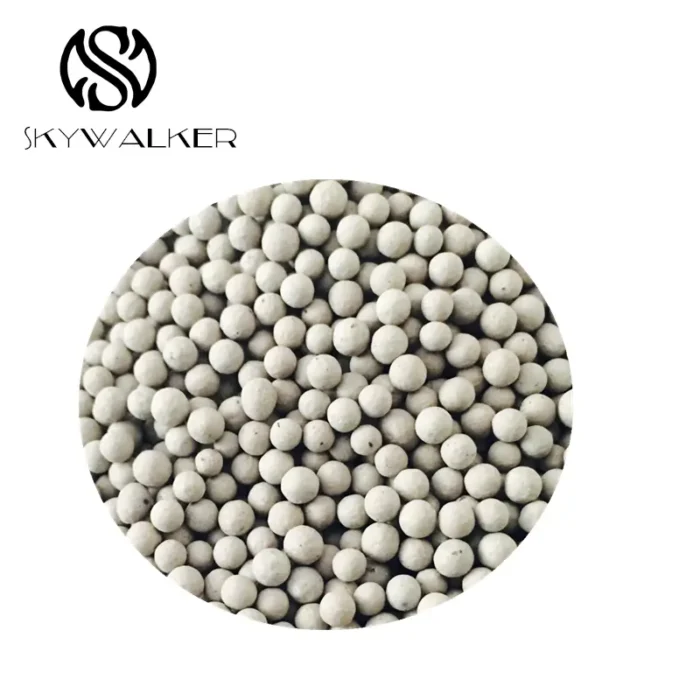
Fathoming treated clarifying clay implies a deep review of its aspects. This distinctive product is widely practiced in the purification of hydrocarbons, successfully separating unwanted matter. The conversion method typically involves enzymatic treatment, strengthening its absorption power to collect colored pigments. Eventually, this manual will delve into the foundation behind activated bleaching earth and its applications.
Purifying Compound Sources: Discovering the Fitting Collaborator
Securing a dependable supplier of detoxifying substance is indispensable for many industries, particularly those involved in vegetable oil distillation. Electing the correct entity requires careful consideration beyond just price. Evaluate their experience in adsorbent provision, their regulation procedures, and their aptitude to consistently address your order needs. A credible bleaching earth distributor will also offer help and a choice of qualities to match your specialized application.
Each Theory Behind Treated Purifying Aggregate
Enhanced bleaching aggregate, a cornerstone of the refining process for edible oils, functions through a fascinating amalgamation of solid and chemical engagements. Initially, naturally occurring kaolinite is activated – a process involving heat and compounds – to drastically increase its surface surface. This expanded surface provides an immense number of places for the intentional adsorption of color pigments, defects, and unfavorable odor compounds. The mechanism is primarily surface binding, where molecules are held by weak van der Waals interactions, though some active adsorption can also develop with certain agents. This results with a significant reduction of color and refinement of the oil's presentation and taste.
Detoxifying Aggregate - Attributes and Applications
Lightening substance, frequently known soft white clay, demonstrates unique characteristics that transform it remarkably useful across extensive variety of industries. Its foremost attribute is its outstanding lightness, emanating from its low trace element amount. This property enables it advantageous for employments demanding a clear look. Other than its hue, lightening material is primarily pliable and possesses remarkable pliancy, facilitating it to be effectively cast. Regular functions contain writing generation, rubber fortification, drug mixtures, toiletry products, and as an sorptive factor in several production mechanisms. Additionally, it finds service in ceramics and varnish areas.
Selecting the Right Improved Detoxifying Clay for Particular Objectives
Choosing the proper treatment element can be a challenging method, as several applications depend on varying properties. Assess the classification of element you’re processing; some materials are optimal palm oil bleaching earth for natural oils, while separate classes are optimized towards nutritional fats. Criteria like granularity and purification potential significantly influence efficiency.
- Determine the shade and fragrance magnitude of the ingredient to fix the mandated bleaching degree.
- Review the granularity; smaller particles generally deliver higher surface area, but may create separation challenges.
- Recognize the liquid amount as it modifies the clay’s bleaching capacity.
Clarifying Substance: Processing Methods and Quality
The assembly of bleaching earth, a widely utilized product for oil refining and chemical purification, involves several key measures. Initially, kaolinite is harvested and then subjected to treatment via heat contact and/or chemical alteration. This practice enhances the sorptive properties of the compound. Later, rigorous grade screenings are implemented, consisting of quantifications of aggregate size distribution, fatty substance adsorption efficacy, and humidity content. High-tech analytical processes, such as particle size analysis and certified inspection, are used to guarantee a uniform commodity that meets stringent provisions.
Eco-friendly Sourcing of Activated Bleaching Aggregate
The rising demand for activated bleaching earth presents a decisive challenge regarding its creation and environmental footprint. Routine sourcing methods can cause habitat impairment and drainage of natural resources. Consequently, a shift towards sustainable sourcing is necessary. This involves focusing on practices like tree planting of mined areas, reusing waste offcuts from other industries for development, and backing native communities to protect ethical and sustainable mining conduct. Furthermore, confirmation schemes and thorough scrutiny processes are needed to corroborate that the soil is acquired in a truly ecological manner. Elements should also include cutting energy consumption during production and diluent usage.
- Restoration efforts
- Recycling waste materials
- Supporting local communities
- Endorsement schemes
Clarifying Clay Company Database: Leading Enterprises Arranged
Finding a credible mineral vendor can be a challenge, but our comprehensive catalog aims to support the process. We’ve assiduously accumulated data and indexed leading companies in the bleaching earth market. This summary highlights significant producers known for their reputation and support, allowing users to source the optimal source for their individual needs. Various factors, including production level, assortment, and recommendations, were considered in determining these foremost listings.
Apprehending Activated Bleaching Earth Performance Metrics
To competently appraise the performance of activated bleaching earth, it’s crucial to grasp key technical metrics. These values often include color measure, typically measured using a instrument, which demonstrates the earth’s ability to absorb color from oils. Additionally, acid concentration is vital, as it modifies the bleaching process; a higher intensity usually aligns with improved detoxification capabilities. Finally, sorptive area, often evaluated via BET analysis, noticeably impacts the earth’s capacity to sequester colorants, ultimately guiding its overall refining ability.